Home health care does not include 24-hour continuous care, homemaker services, transportation for non-medical needs, direct medication administration, and non-medical equipment. These limitations exist because home health focuses on skilled medical services rather than custodial care. San Diego residents often misunderstand these boundaries when seeking support for loved ones.
Our team at Love 2 Live has witnessed countless families struggle with these gaps in care. We understand the frustration when discovering that traditional home health services won’t cover many daily living needs your family member requires.
This article explains exactly what home health excludes, helping you plan better care solutions. You’ll learn about alternative options and how to combine services for comprehensive support that meets your loved one’s complete needs.
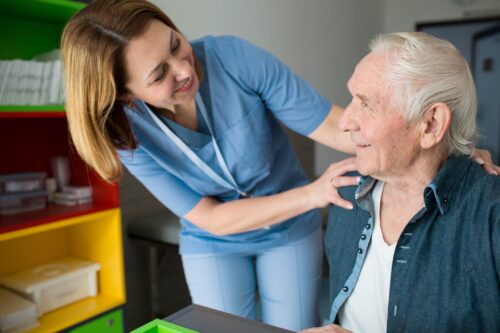
Skilled Nursing Services Provided at Home
Skilled nursing services focus on medical care that requires professional training. These services help patients recover from illness or manage chronic conditions at home. Nurses provide specialized care that family members cannot safely deliver.
The services include clinical procedures that require professional knowledge and training. Medicare and insurance typically cover these services when ordered by a doctor. Patients must meet specific medical necessity requirements to qualify for coverage.
Wound Care and Dressing Changes
Wound care includes cleaning, treating, and bandaging injuries or surgical sites. Nurses assess healing progress and watch for signs of infection during each visit. They teach family members proper wound observation techniques.
Nurses use sterile techniques to prevent complications. They document changes and report concerns to doctors. This service requires professional training and cannot be performed by untrained caregivers.
Injections, IV Therapy, and Catheter Care
Nurses administer injections and manage intravenous medications in the home. They insert, maintain, and monitor catheters and other medical devices. These tasks require specialized medical training and certification.
IV therapy delivers medications, fluids, or nutrients directly into the bloodstream. Catheter care prevents infections and ensures proper function. These services are not provided by regular home care aides.
Medication Management and Compliance Monitoring
Nurses organize medications and create systems to prevent errors. They monitor for side effects and drug interactions during visits. Home health aides cannot administer medications directly but may assist with self-administration if trained.
Medication management includes teaching patients about their prescriptions. Nurses track whether patients take medications as prescribed. This service helps prevent hospitalization due to medication errors.
Vital Signs and Symptom Monitoring
Nurses check blood pressure, pulse, temperature, and other vital measurements. They track symptoms and report changes to doctors. Regular monitoring helps prevent health complications.
Vital sign checks provide important data about treatment effectiveness. Nurses use this information to adjust care plans. This monitoring helps keep patients safe at home.
Patient and Family Education for Clinical Care
Nurses teach patients and families how to manage medical conditions. They provide training on equipment use and symptom recognition. Education empowers families to participate in care.
Training includes hands-on practice with supervision. Nurses ensure families understand warning signs requiring medical attention. This education component is crucial for successful home recovery.
In-Home Therapy and Rehabilitation Services
Therapy services help patients regain function and independence at home. These specialized services require licensed professionals with specific training. Medicare coverage for home health continues as long as the patient meets eligibility criteria and shows improvement.
Therapists create personalized treatment plans based on patient needs. They work closely with nurses and doctors to coordinate care. These services focus on recovery and functional improvement.
Physical Therapy
Physical therapists help patients improve strength, balance, and mobility. They teach exercises and techniques to prevent falls and injuries. Treatment plans address specific physical limitations.
Therapists use specialized equipment and methods during home visits. They measure progress and adjust goals accordingly. This service helps patients regain independence with movement.
Occupational Therapy
Occupational therapists help patients perform daily activities safely. They teach adaptive techniques for dressing, bathing, and eating. Treatment focuses on practical skills needed for independence.
Therapists may recommend home modifications for safety. They train patients to use adaptive equipment. This service bridges the gap between medical recovery and daily function.
Speech-Language Pathology
Speech therapists help patients with communication and swallowing problems. They provide exercises to strengthen muscles used for speaking and eating. Treatment addresses issues caused by stroke, injury, or illness.
Therapists create personalized communication strategies. They teach safe swallowing techniques to prevent choking. This service improves quality of life and safety.
What Home Health Care Does Not Include
Home health care does not provide 24-hour continuous care. Services are intermittent, scheduled visits rather than around-the-clock support. Families often need additional help between professional visits.
Homemaker services like cooking, cleaning, laundry, and shopping are not included. These daily living tasks fall outside medical necessity requirements. Patients needing these services must arrange them separately.
General transportation for non-medical trips is not covered. Home health does not provide rides to social activities or errands. Families must find alternative transportation solutions for these needs.
Conclusion
Home health care provides valuable medical services but has clear limitations. The focus remains on skilled nursing, therapy, and medical monitoring rather than daily living support. Understanding these boundaries helps families plan comprehensive care.
We at Love 2 Live – Home Care Services fill these gaps with compassionate personal care. Our caregivers provide the homemaker services, transportation, companionship, and continuous support that home health cannot offer. We work alongside medical providers to create complete care solutions.
Contact Love 2 Live today to learn how we complement home health services. Our team creates personalized care plans that address all your loved one’s needs. Together, we can build a support system that truly works.
